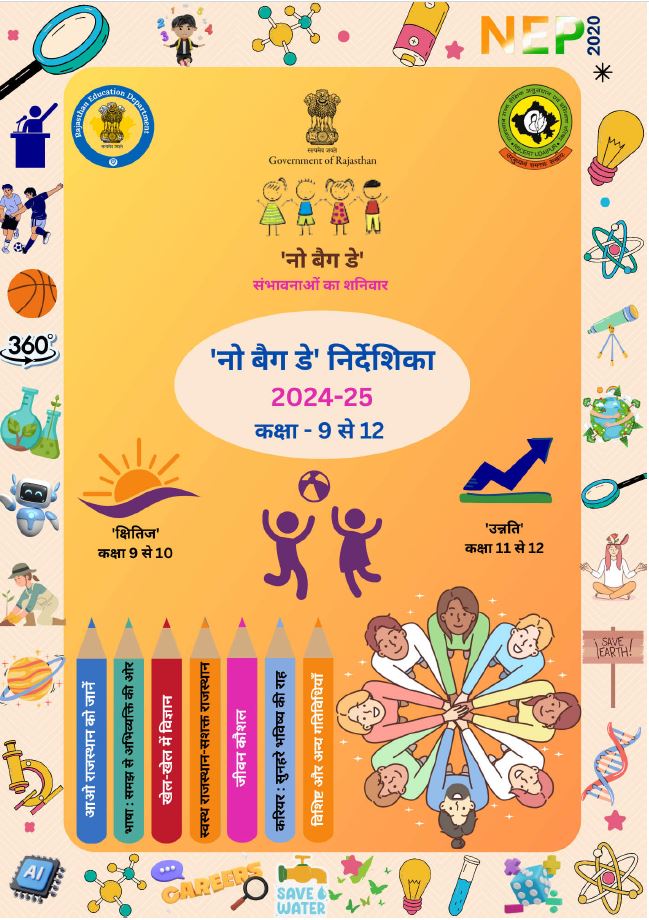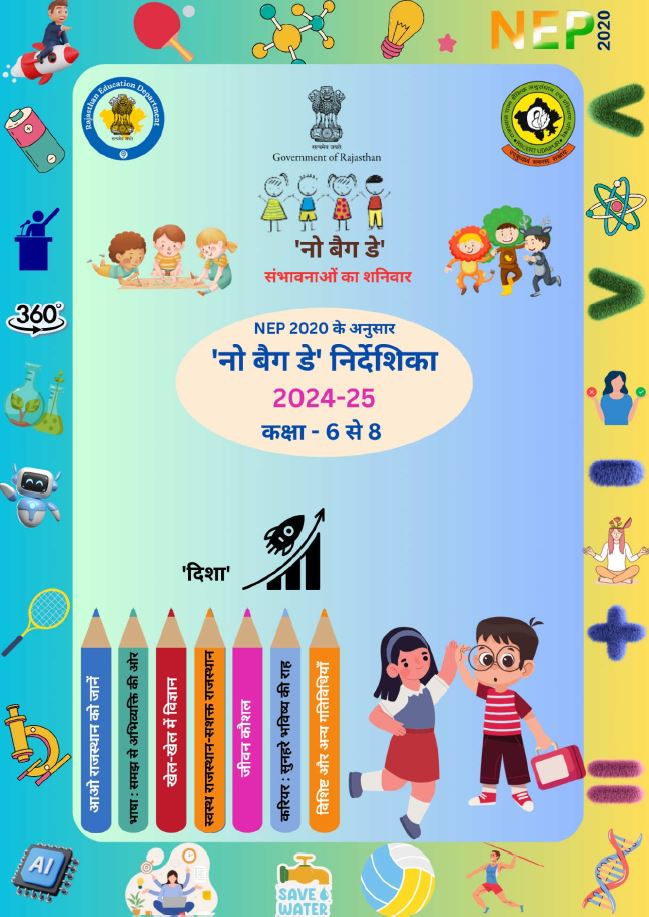
नो बैग डे प्रोग्राम पुस्तक कक्षा 1 से 12 तक डाउनलोड करें
After a season of personal and professional turmoil—including the guilt of leaving his previous club and his father's alcoholism—Fergus finds redemption. His leadership on the field proves that a "professional" approach to the sport brings a level of skill and strategy that the gentleman amateurs cannot match.
The series finale of The English Game (Season 1, Episode 6) serves as the emotional and historical climax of the show, focusing on the 1882 FA Cup Final between the and Blackburn Athletic . This episode resolves the central conflict between the traditionalist upper class and the rising working-class professionalization of football. The Historic FA Cup Final
Before the match, the FA board (dominated by Etonians) attempts to disqualify Blackburn for paying their players, a move intended to keep the trophy in the hands of the elite.
The episode ends with Blackburn Athletic winning the trophy, marking the first time a working-class team from the north claimed the FA Cup. This victory effectively ended the dominance of the southern elite teams. A final title card notes that Arthur Kinnaird eventually became the President of the FA, serving for 33 years, and helped usher in the era of professional football that persists today.
Characters like Martha Almond and the players' families illustrate the personal toll taken by those supporting the pioneers of the professional game. Ending Explained
Arthur completes his transformation from a rigid traditionalist to a forward-thinking visionary. By the end of the episode, he accepts the shifting social tide, acknowledging that the sport no longer belongs solely to the aristocracy.
The tension between the "gentlemen" and the "players" is a microcosm of the Victorian class struggle. The victory of a northern working-class team signaled the end of the aristocracy's monopoly on cultural and sporting institutions.
The episode depicts the transition of football from a disorganized "mob" game to the structured, tactical, and commercial global phenomenon it is today.

हम सदैव आप तक विश्विसनीय सूचना पहुंचाने के लिए प्रयास करते हैं। आपका विश्वास एवं सहयोग ही हमारे और अन्य साथियों के लिए प्रेरणा का स्रोत है।
2023 TeamDPS - All Rights Reserved.