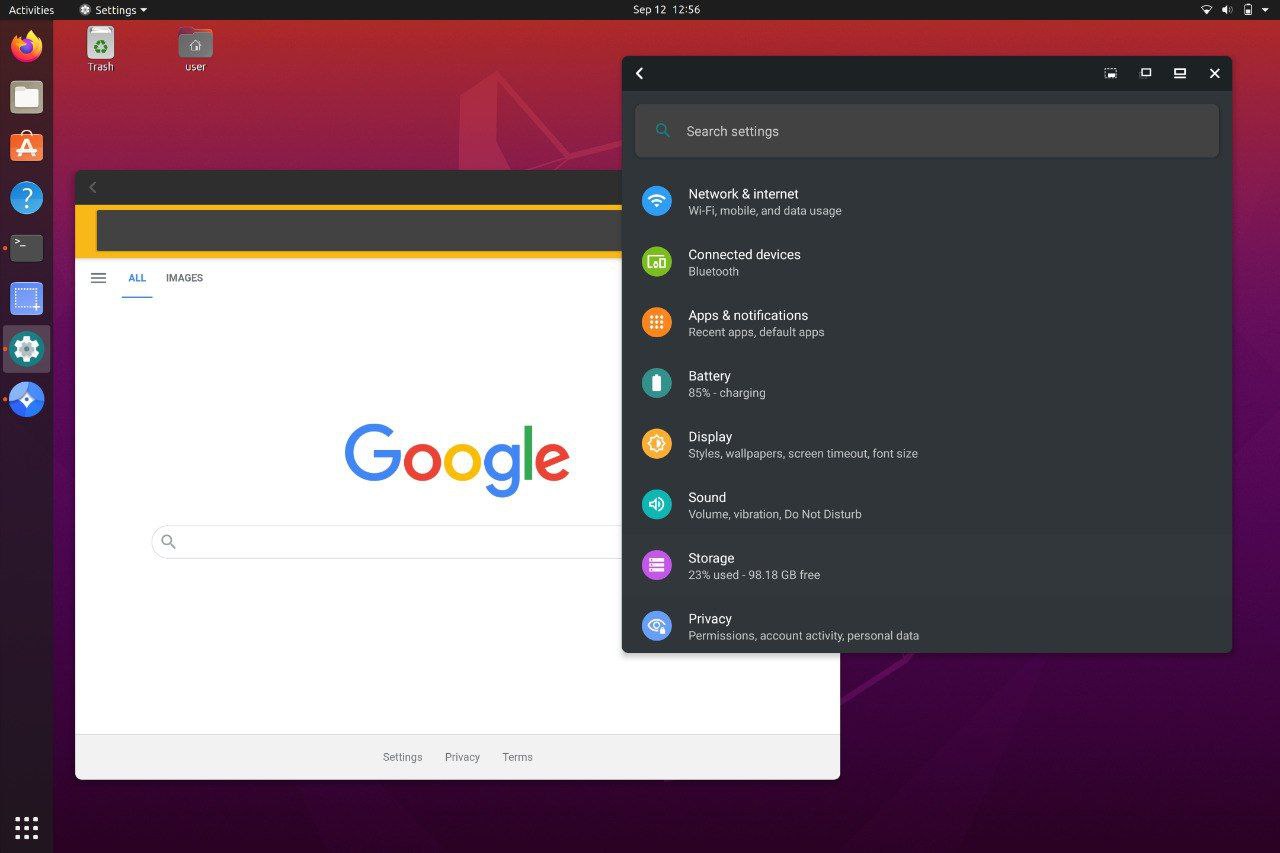
A container-based approach to boot a full Android system on regular GNU/Linux systems running Wayland based desktop environments.
The update wasn't adding content to the game. It was a bridge. As the extraction reached 100%, the sound of hydraulic pistons hissed not from his speakers, but from the shadows of his own bedroom. The 133rd Protocol was active, and the Super Robot Wars were no longer confined to the console.
He clicked download. The progress bar moved with an unnatural, aggressive speed.
Kaito didn't care about the legalities; he just wanted to see the GaoGaiGar final attack in 60fps. He had been hunting for "Update 133" for weeks. Every forum thread was a dead end until he found a flickering banner on a mirror site: .
When the transfer finished, Kaito didn't just find game data. Hidden inside the .nsp file, nested deep within the encrypted layers, was a directory that shouldn’t exist: /LOGS/PILOT_00/ .
Curiosity winning over caution, he opened the text files. They weren’t dialogue scripts for the game. They were flight logs. "System sync at 40%. The neural link is cold."
"The Tokyo-3 sector looks different from up here. It looks... flat. Like pixels."
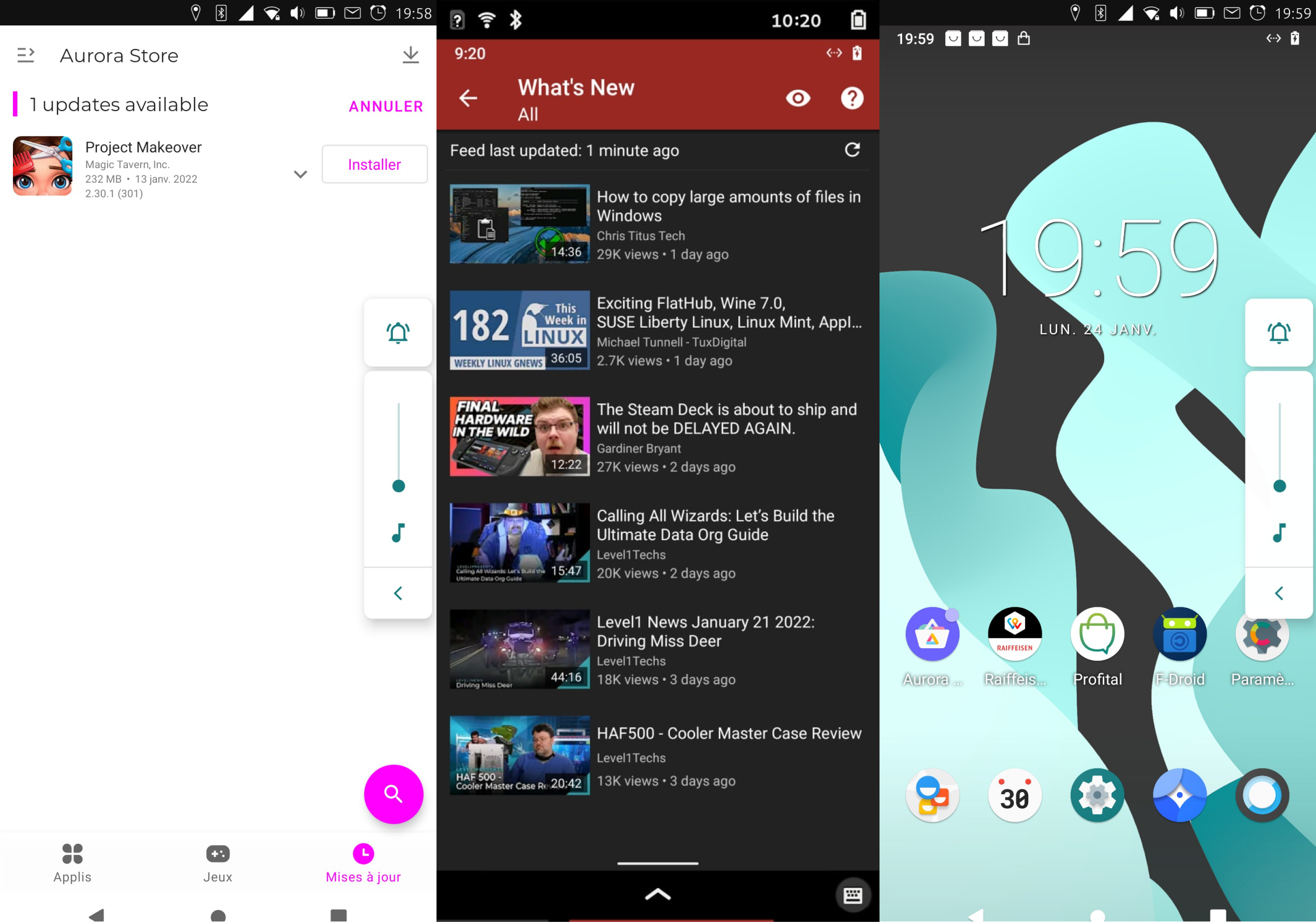
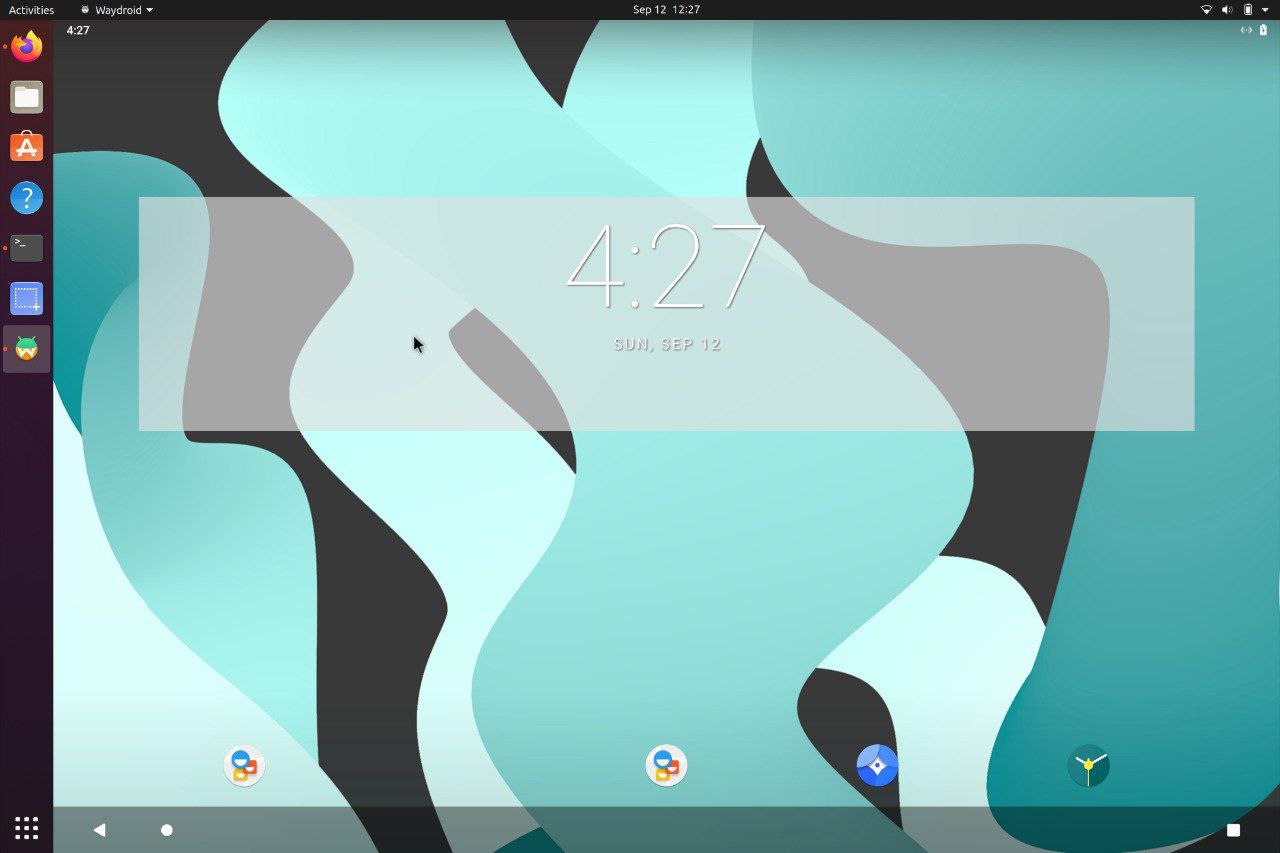
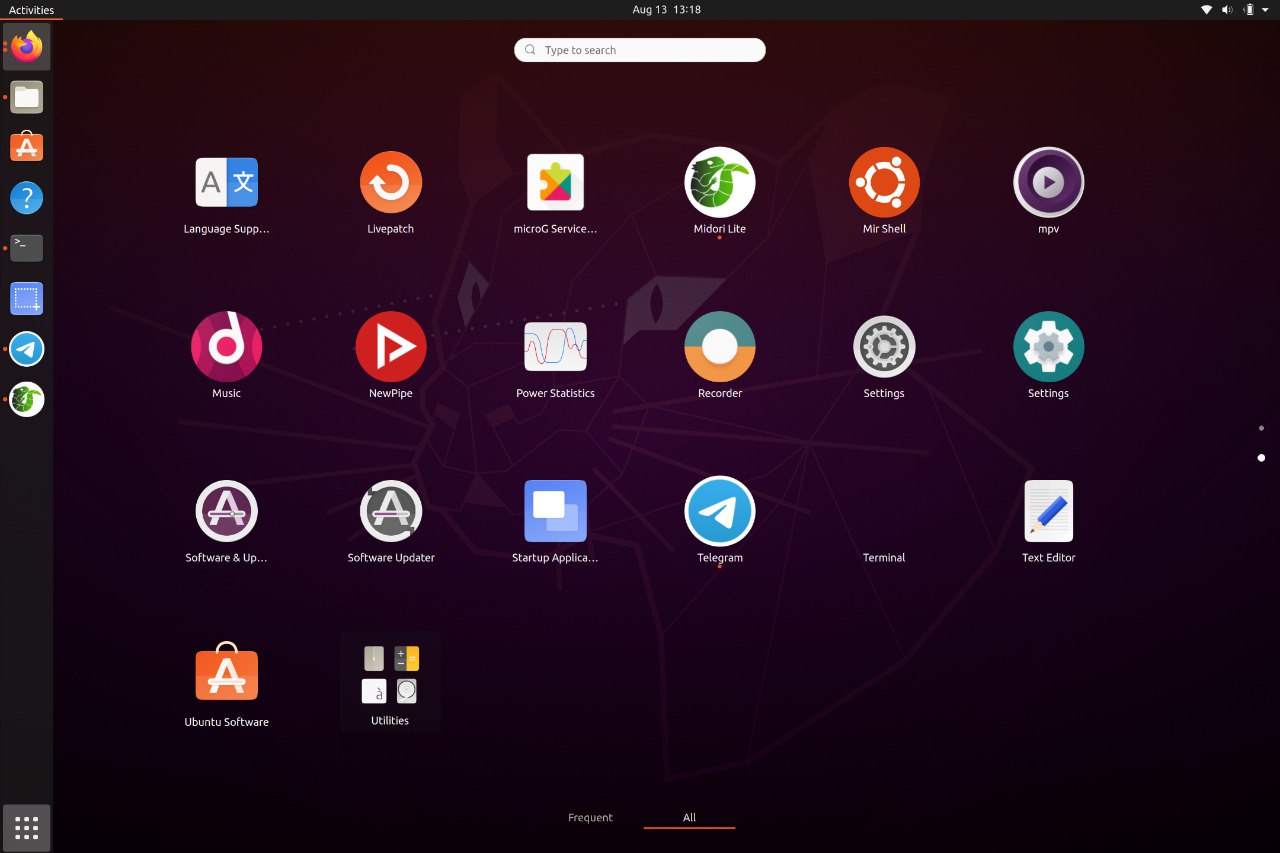
Waydroid brings all the apps you love, right to your desktop, working side by side your Linux applications.
The Android inside the container has direct access to needed hardwares.
The Android runtime environment ships with a minimal customized Android system image based on LineageOS. The used image is currently based on Android 13
Our documentation site can be found at docs.waydro.id
Bug Reports can be filed on our repo Github Repo
Our development repositories are hosted on Github
Please refer to our installation docs for complete installation guide.
You can also manually download our images from
SourceForge
For systemd distributions
Follow the install instructions for your linux distribution. You can find a list in our docs.
After installing you should start the waydroid-container service, if it was not started automatically:
sudo systemctl enable --now waydroid-container
Then launch Waydroid from the applications menu and follow the first-launch wizard.
If prompted, use the following links for System OTA and Vendor OTA:
https://ota.waydro.id/system
https://ota.waydro.id/vendor
For further instructions, please visit the docs site here
The update wasn't adding content to the game. It was a bridge. As the extraction reached 100%, the sound of hydraulic pistons hissed not from his speakers, but from the shadows of his own bedroom. The 133rd Protocol was active, and the Super Robot Wars were no longer confined to the console.
He clicked download. The progress bar moved with an unnatural, aggressive speed.
Kaito didn't care about the legalities; he just wanted to see the GaoGaiGar final attack in 60fps. He had been hunting for "Update 133" for weeks. Every forum thread was a dead end until he found a flickering banner on a mirror site: .
When the transfer finished, Kaito didn't just find game data. Hidden inside the .nsp file, nested deep within the encrypted layers, was a directory that shouldn’t exist: /LOGS/PILOT_00/ .
Curiosity winning over caution, he opened the text files. They weren’t dialogue scripts for the game. They were flight logs. "System sync at 40%. The neural link is cold."
"The Tokyo-3 sector looks different from up here. It looks... flat. Like pixels."
Here are the members of our team