
Москва, Игарский проезд, д. 2, офис 314
схема проезда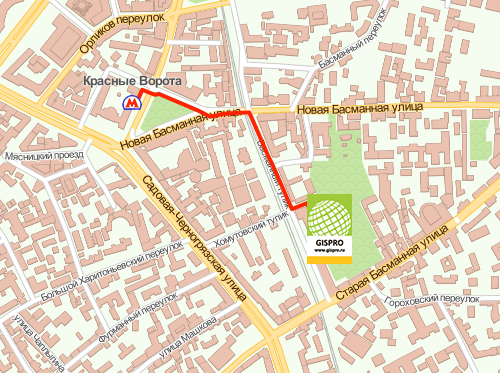
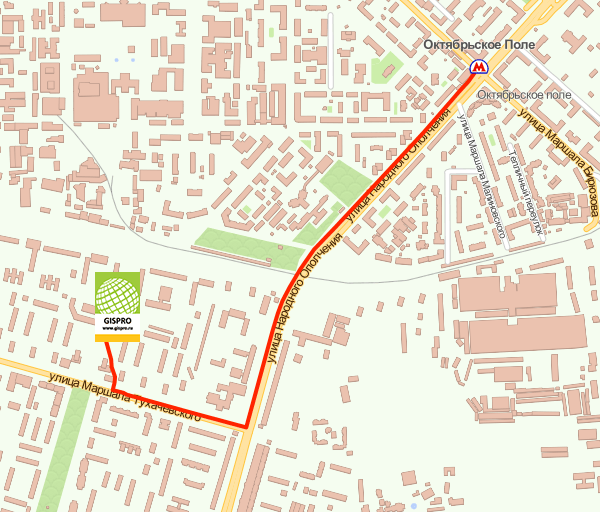
тел. (495) 639-80-82
ИНН: 7703741816
КПП: 771601001
By sunrise, the pour was done. Elias climbed out of the cab, his boots caked in gray dust. He glanced back at the manual. It was more than a technical guide; it was the script for a performance that built the city’s skyline, one continuous pour at a time. Company History | Schwing US
He didn’t need the book anymore—he’d memorized its diagrams of the and the rhythmic "heartbeat" of the differential cylinders years ago. Yet, he kept it as a sort of talisman. It was the only thing that hadn't changed since he started pumping at the Schwing US plant in Minnesota .
He thought about the manual’s troubleshooting section—"Concrete Buildup in Hoppers and Pipes." With a practiced flick of the remote, he reversed the flow for a second, a "cough" to clear the line, then slammed it back into forward. The pressure stabilized. The flow resumed, smooth and relentless.
The rain was a problem, but for Elias, the real enemy was the 3 a.m. silence. He sat in the cab of his Schwing truck, the dashboard lights casting a steady amber glow over the dog-eared resting on the passenger seat.
Elias engaged the . Outside, the massive articulated boom reached seventy meters into the dark sky, a long, steel finger pointing at the moon. He watched the hopper through the rearview camera. The rotating agitator churned the gray sludge, preventing it from settling as the pump began its work. Thump-hiss. Thump-hiss.
Москва, Игарский проезд, д. 2, офис 314
схема проездател. (495) 639-80-82
ИНН: 7703741816
КПП: 771601001