The "hudo" (the pain) mentioned in the title refers to the trauma of the victims and the hidden lives of the suspects. In this episode, the audience is forced to look at the darker side of the human psyche. The series departs from the "whodunnit" trope and moves toward "whydunnit." We see how silence in small communities allows evil to germinate. The episode suggests that when society ignores the "pain" of the marginalized or the abused, it eventually manifests as a harvest of violence that affects everyone. Symbolism and Setting
The Slovenian phrase (loosely translated as "You sow what pains you" or "You sow your own sorrow") serves as the evocative title for the fifth episode of the first season of the critically acclaimed series Jezero (The Lake), based on Tadej Golob’s detective novels.
The interaction between Taras and his team (Tina, Brajc, and Osterc) reaches a boiling point here. We see the friction between the old-school, stoic methods of Birsa and the evolving dynamics of a team under extreme pressure. The episode masterfully balances the external hunt for the killer with the internal unraveling of the protagonist's personal life, suggesting that Taras, too, is "sowing" distance between himself and those he loves. The Psychological Landscape
Episode 5 of Jezero is a masterful study of consequence. It challenges the viewer to look beyond the surface of the crime and consider the "seeds" that were planted years prior. By the end of the hour, it is clear that no one in the valley is truly innocent, as everyone has, in some way, contributed to the atmosphere of secrecy and pain that allowed the tragedy to occur. It is an episode that proves that in the world of Taras Birsa, the past is never dead; it is simply waiting for the right season to resurface.
By Episode 5, the investigation into the young woman’s murder has branched into a labyrinth of local politics, family dysfunction, and historical grievances. The pacing of this episode is deliberate, mirroring Birsa’s own methodical—and increasingly obsessed—mindset. The cinematography utilizes the harsh, white light of the Slovenian winter to strip away the "beauty" of the alpine setting, leaving behind a stark, clinical reality.
The title itself is a play on the biblical proverb "You reap what you sow," but with a darker, more internal twist. By using the word hudo (meaning bad, severe, or painful), the narrative suggests that the crimes being investigated are not merely random acts of violence. Instead, they are the byproduct of long-festering wounds. In this episode, Inspector Taras Birsa begins to realize that the killer is not just a monster in the woods, but a product of a specific environment and a history of personal or social neglect. Narrative Tension and the Labyrinth
In the fifth episode of Jezero , titled "Seješ, kar ti je hudo," the frozen landscape of Bohinj becomes more than just a setting; it acts as a metaphor for the buried secrets and "frozen" emotions of its characters. As the penultimate episode of the first season, it marks the transition from investigative procedural to a psychological thriller, focusing on the inevitable consequences of past actions—the "sowing" of seeds that have finally come to a bitter harvest. The Weight of the Title
The following essay explores the thematic depth, narrative tension, and psychological underpinnings of this specific installment within the broader context of the series. The Harvest of Trauma: An Analysis of Jezero , Episode 5

In closed-group testing with our
existing beta customers & associates
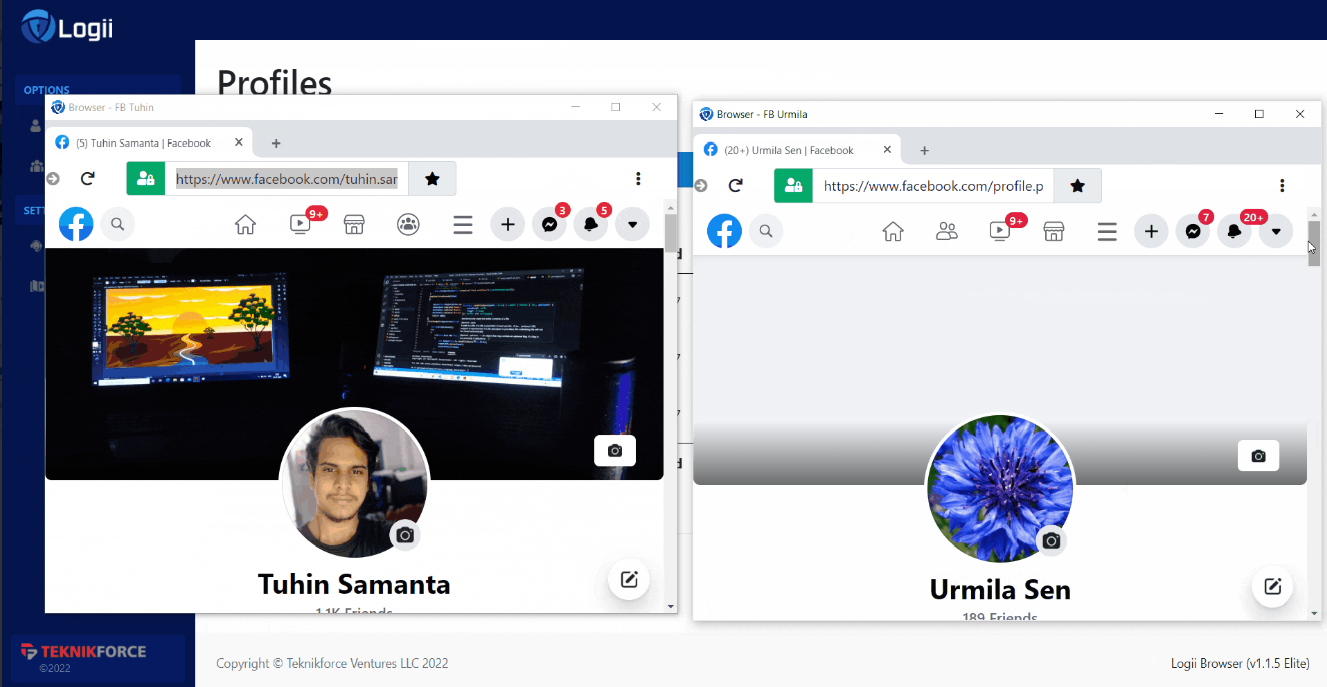
Browser fingerprinting is the technique used by social websites to track their users. Using these stealthy techniques they can spot that it is you even if you log in using different social and ad accounts.
Result : Unreasonable limitations and ban hammers not just for one account but all your accounts in one go.
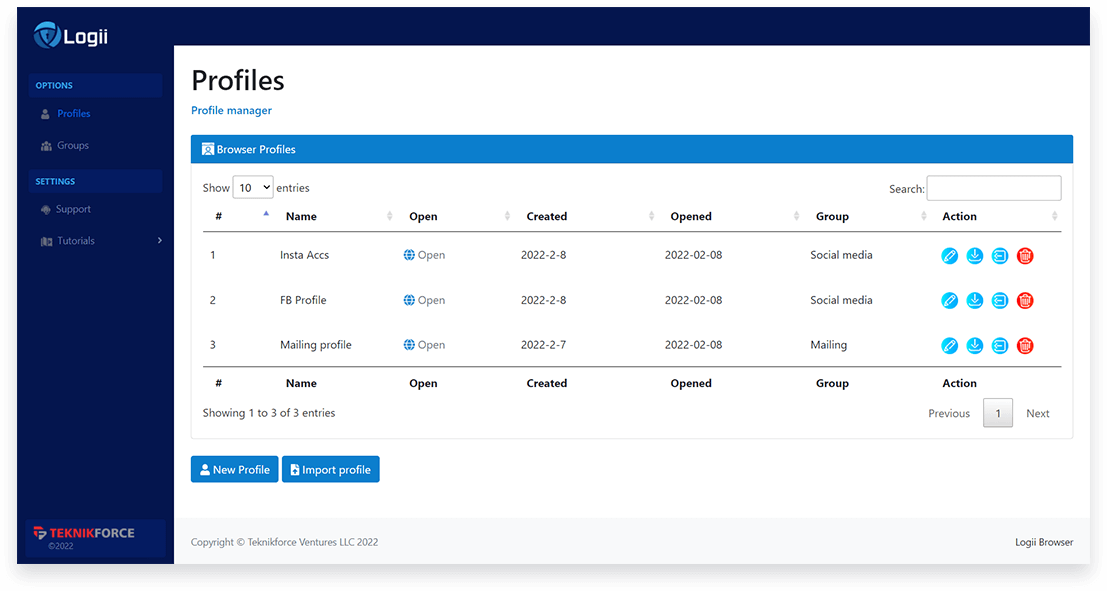
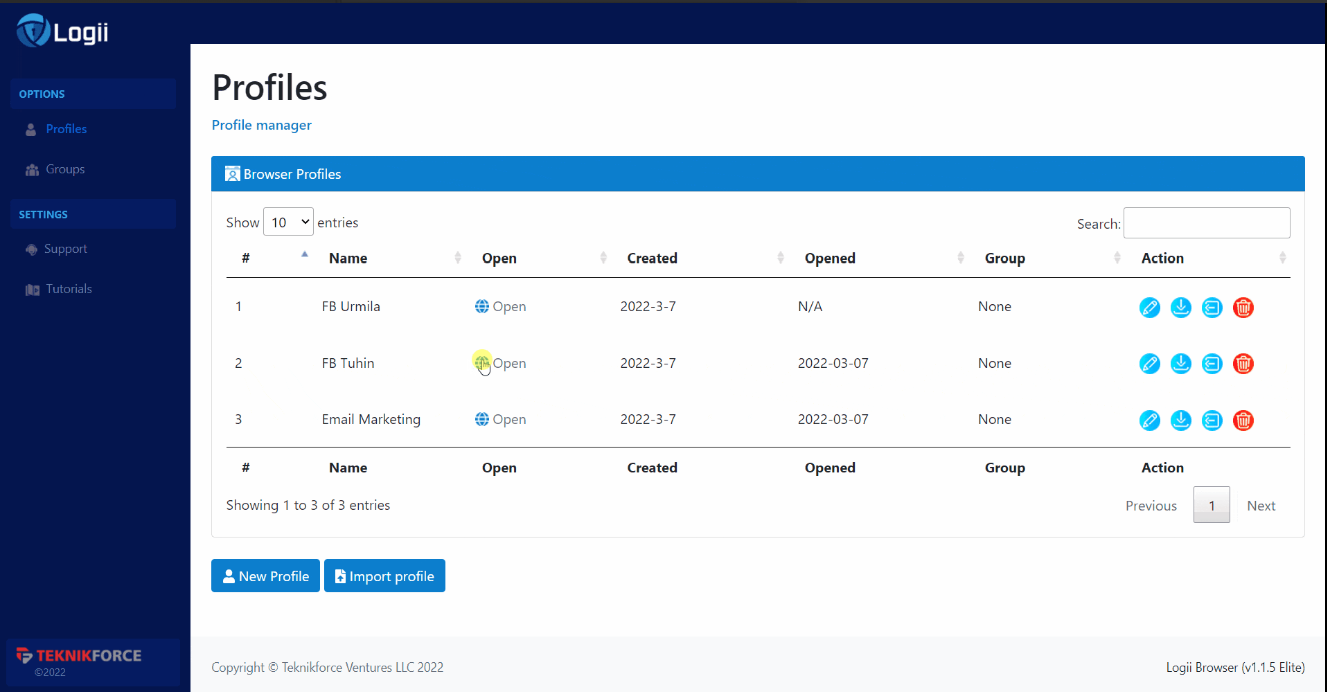
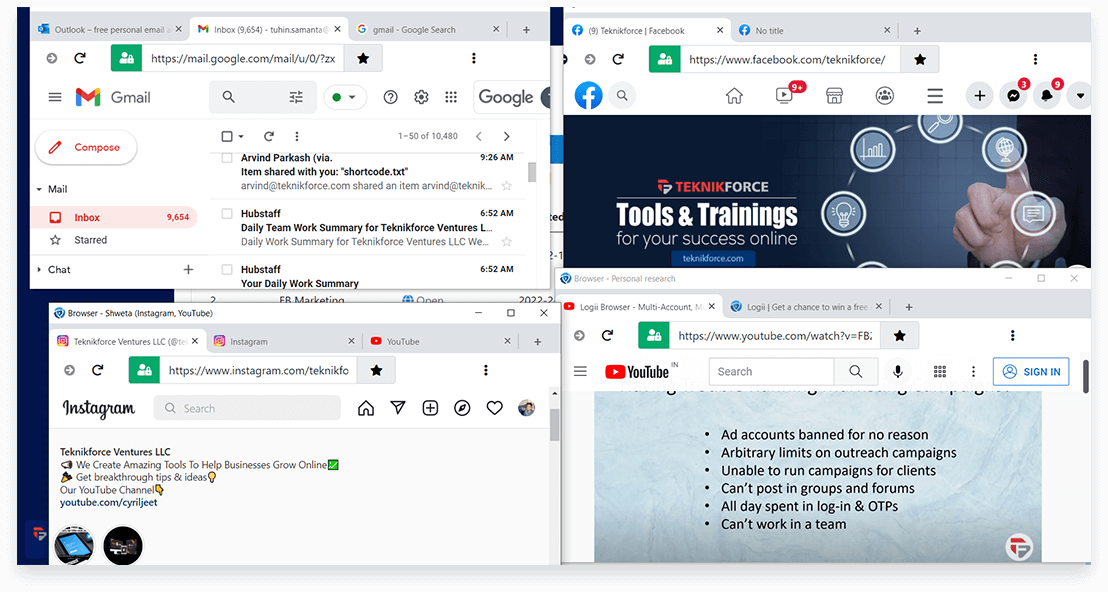
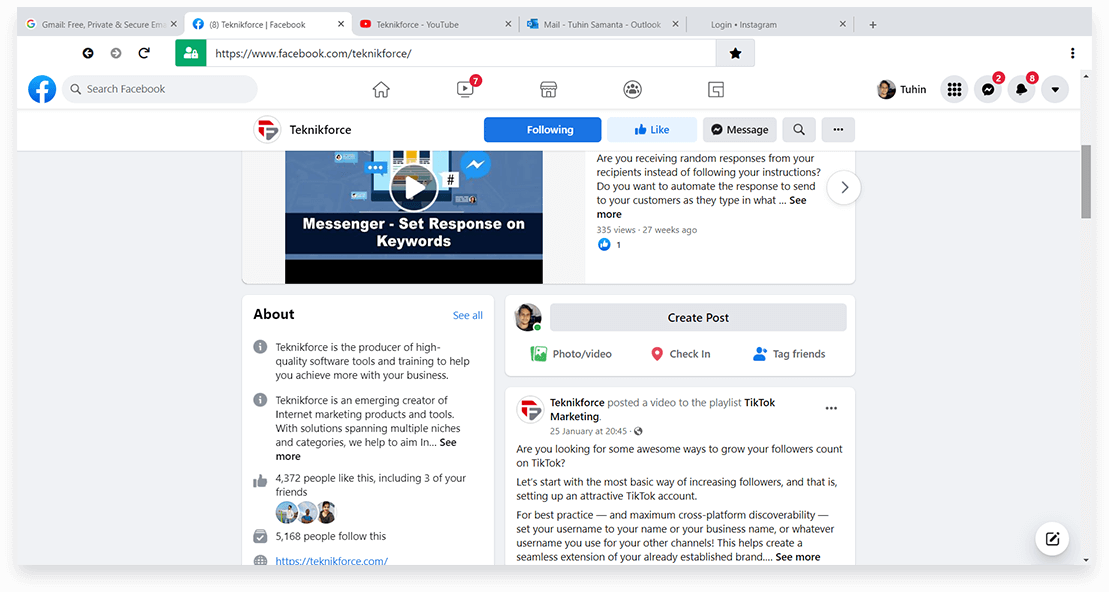
Multiple accounts from one computer without problems.
100% protection on all social media sites, forum sites & blog sites.
Secure multi-login browsing right on your computer.
Run multi-login, multi-account campaigns for yourself or clients


| Product Name | Monthly | Yearly | Savings |
|---|---|---|---|
AdsPower |
$97/Month | $1164/Year | $1097/Year |
Multilogin |
$99/Month | $1188/Year | $1091/Year |
GoLogin |
$99/Month | $1188/Year | $1091/Year |


Run multiple ad accounts from one computer with no shared footprint.
Tired of outreach limits? Just toggle to a different account and continue.
Wish to create more buzz for your services? Use multi-account safely on forums to push your products ahead.
Want to get approved on more blogs? Use Logii to comment from the geographics that bloggers prefer. Leave multi-account comments.
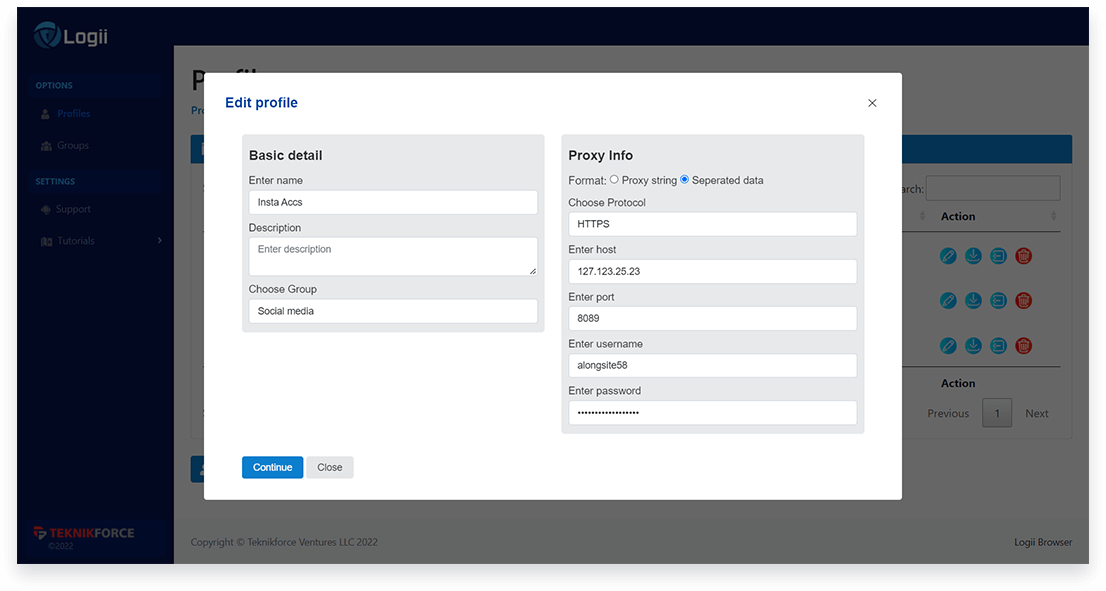
Choose your location, IP, browser-type, device and more whenever you browse any site.
Control your browser geo-location.
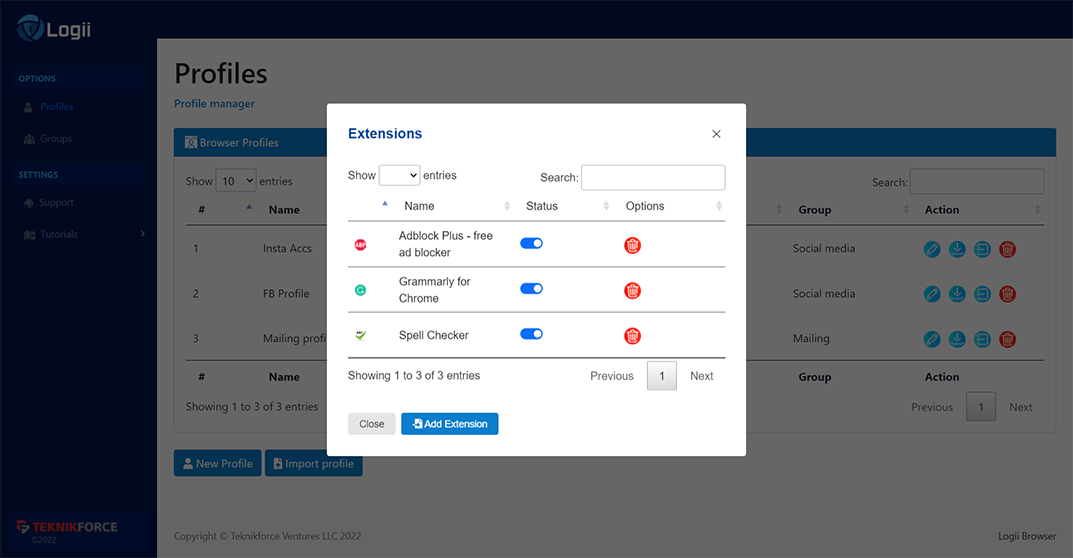
Connect your account to any free or paid proxy.
Every identity gets a totally separate cookie & session instance with nothing shared.
Use the user-agent you want, the device you want & resolution you want for the sites you browse.
Each identity browses in its own virtual environment with no shared resource. Anti-detection keeps your account safe every day.
If you are a digital marketer you need Logii no matter whether you do your marketing through SEO (blog), Social Media (Messaging & Outreach) or Ads.
8x cheaper than VPS, 10x cheaper than competing multi-login browsers. 100% better.
Want to run campaigns for your clients? Use Logii browser to run their campaigns in protected environments. Don’t let one mistake kill all your clients.
Work on your campaigns and then let your team members get access with just a click. No sharing of passwords.
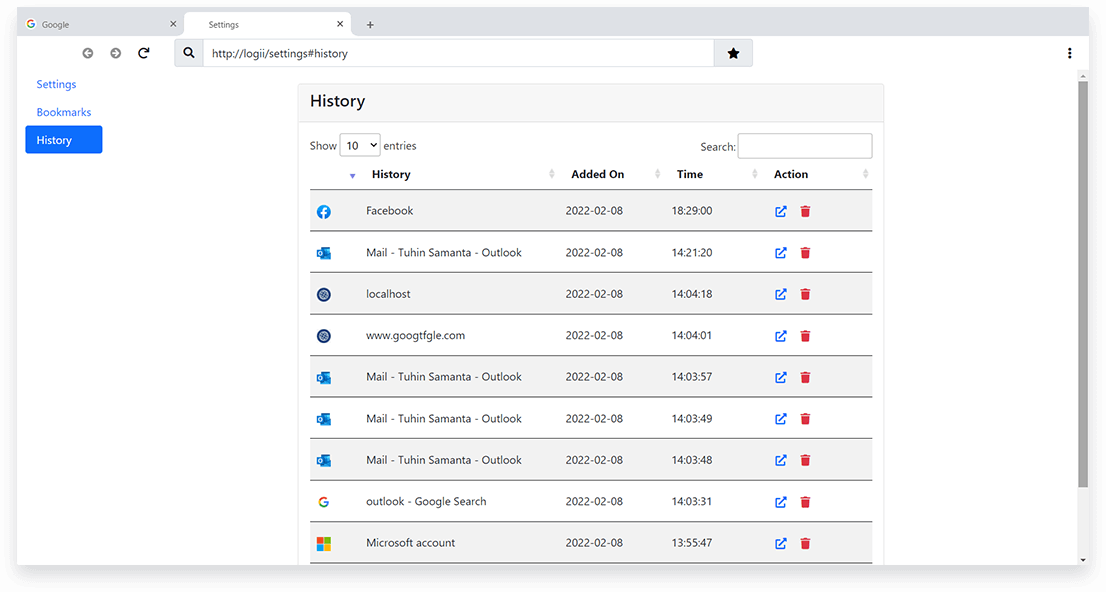
No logout-login madness. No endless OTPs. Logii is fast, secure and easy.
The "hudo" (the pain) mentioned in the title refers to the trauma of the victims and the hidden lives of the suspects. In this episode, the audience is forced to look at the darker side of the human psyche. The series departs from the "whodunnit" trope and moves toward "whydunnit." We see how silence in small communities allows evil to germinate. The episode suggests that when society ignores the "pain" of the marginalized or the abused, it eventually manifests as a harvest of violence that affects everyone. Symbolism and Setting
The Slovenian phrase (loosely translated as "You sow what pains you" or "You sow your own sorrow") serves as the evocative title for the fifth episode of the first season of the critically acclaimed series Jezero (The Lake), based on Tadej Golob’s detective novels.
The interaction between Taras and his team (Tina, Brajc, and Osterc) reaches a boiling point here. We see the friction between the old-school, stoic methods of Birsa and the evolving dynamics of a team under extreme pressure. The episode masterfully balances the external hunt for the killer with the internal unraveling of the protagonist's personal life, suggesting that Taras, too, is "sowing" distance between himself and those he loves. The Psychological Landscape
Episode 5 of Jezero is a masterful study of consequence. It challenges the viewer to look beyond the surface of the crime and consider the "seeds" that were planted years prior. By the end of the hour, it is clear that no one in the valley is truly innocent, as everyone has, in some way, contributed to the atmosphere of secrecy and pain that allowed the tragedy to occur. It is an episode that proves that in the world of Taras Birsa, the past is never dead; it is simply waiting for the right season to resurface.
By Episode 5, the investigation into the young woman’s murder has branched into a labyrinth of local politics, family dysfunction, and historical grievances. The pacing of this episode is deliberate, mirroring Birsa’s own methodical—and increasingly obsessed—mindset. The cinematography utilizes the harsh, white light of the Slovenian winter to strip away the "beauty" of the alpine setting, leaving behind a stark, clinical reality.
The title itself is a play on the biblical proverb "You reap what you sow," but with a darker, more internal twist. By using the word hudo (meaning bad, severe, or painful), the narrative suggests that the crimes being investigated are not merely random acts of violence. Instead, they are the byproduct of long-festering wounds. In this episode, Inspector Taras Birsa begins to realize that the killer is not just a monster in the woods, but a product of a specific environment and a history of personal or social neglect. Narrative Tension and the Labyrinth
In the fifth episode of Jezero , titled "Seješ, kar ti je hudo," the frozen landscape of Bohinj becomes more than just a setting; it acts as a metaphor for the buried secrets and "frozen" emotions of its characters. As the penultimate episode of the first season, it marks the transition from investigative procedural to a psychological thriller, focusing on the inevitable consequences of past actions—the "sowing" of seeds that have finally come to a bitter harvest. The Weight of the Title
The following essay explores the thematic depth, narrative tension, and psychological underpinnings of this specific installment within the broader context of the series. The Harvest of Trauma: An Analysis of Jezero , Episode 5

Making up your mind is hard, especially when it's a new technology that you haven't tried yet. Well,we really want you to have the first mover's advantage, and that's why we are prepared to bear all the risk.
Here's our guarantee!
Buy Logii Elite, and use it for up to 30 days risk-free. If you don't like what it does for you and your business, just let us know within 30 days through a support ticket at https://teknikforce.com/support and we will refund you 100% of the money you paid
Bad support can destroy your investment and happiness. When you buy from Teknikforce you get the guarantee of good quality support.
We have 24 x 6 chat support here. Yes, if you ever have any issues using Logii Elite. just come to this website and talk to our live support agent. We are always here to guide you.
When you open a ticket with us, you'll get a guaranteed response within 24 hours.
Having trouble making something work? Our tech agents will help you on Skype and on Teamviewer / Ultraviewer to fix your problem.