|
|
 |
 |
 |
 |
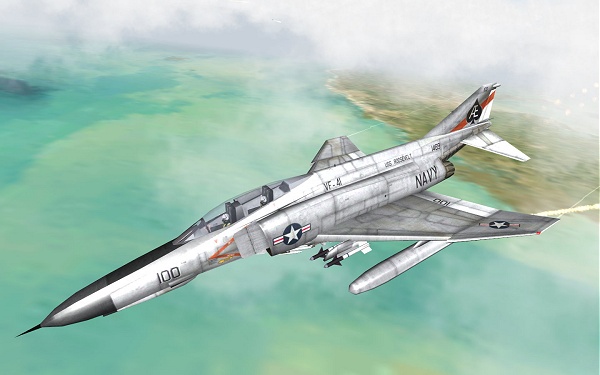 |
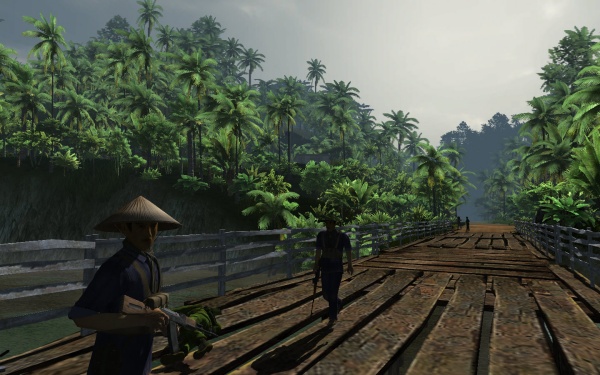
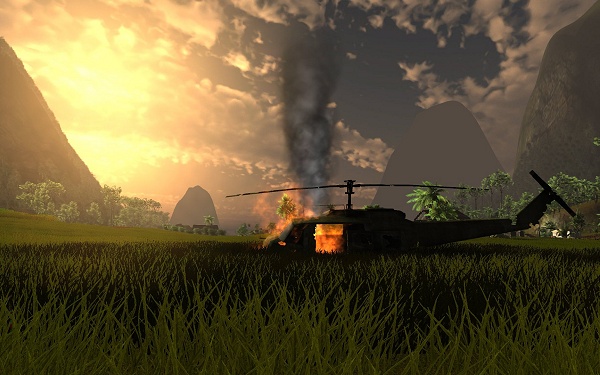
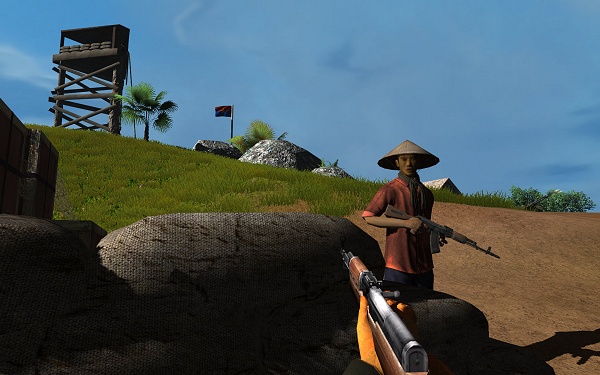
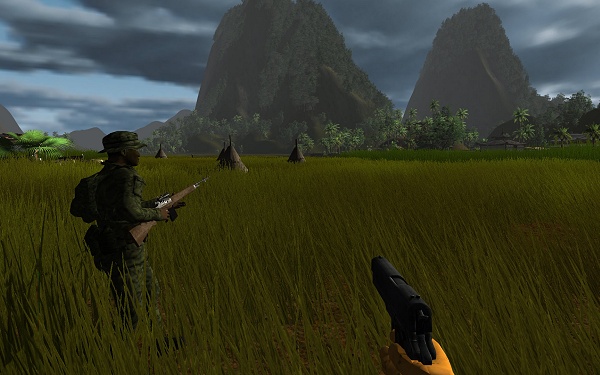
Ivanka Stefanovic 1976 - Zasto Se Mora Rastajat... -Eve of Destruction is a PC game
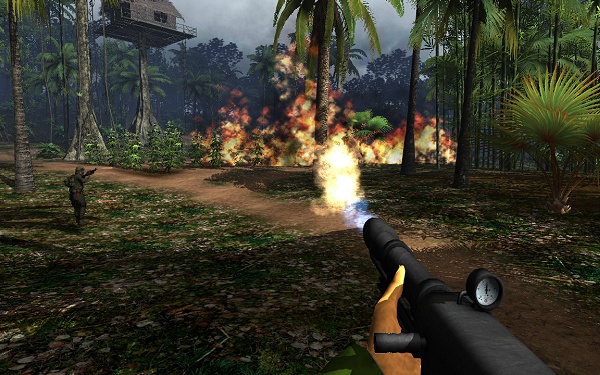
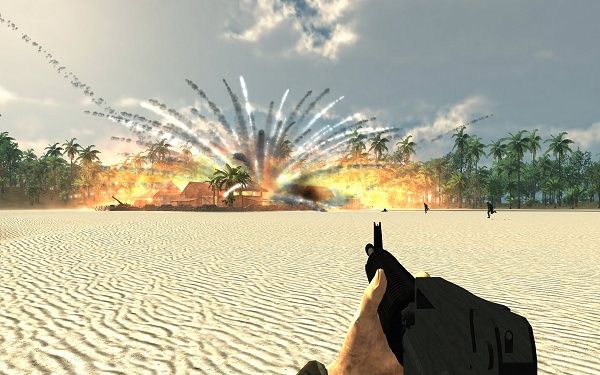
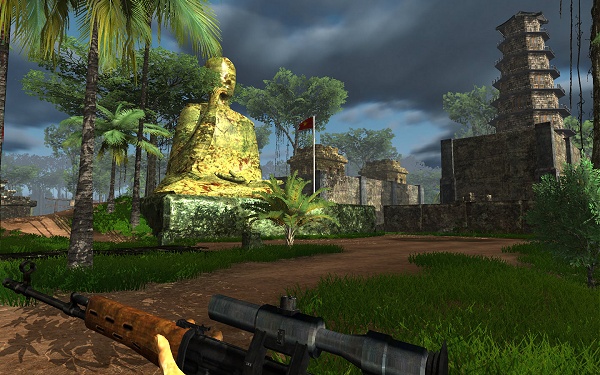
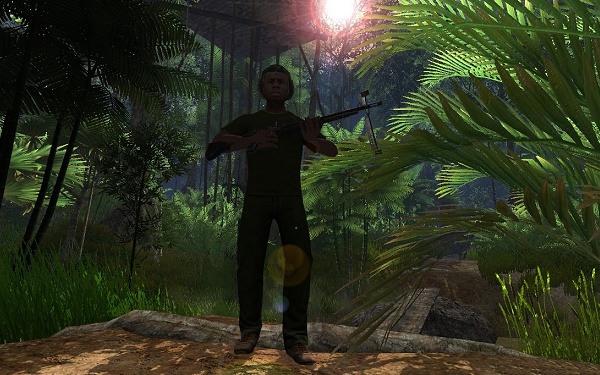
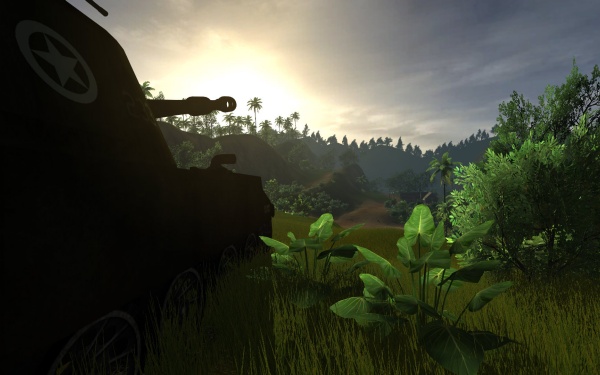
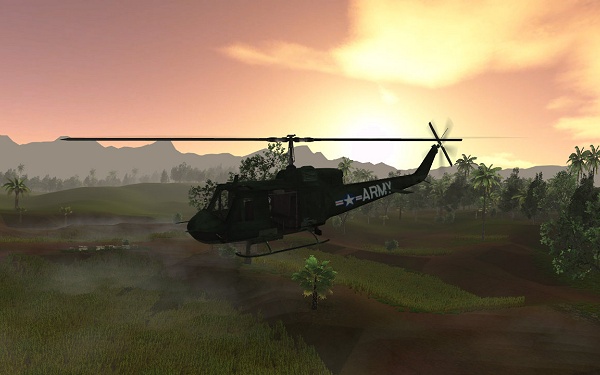
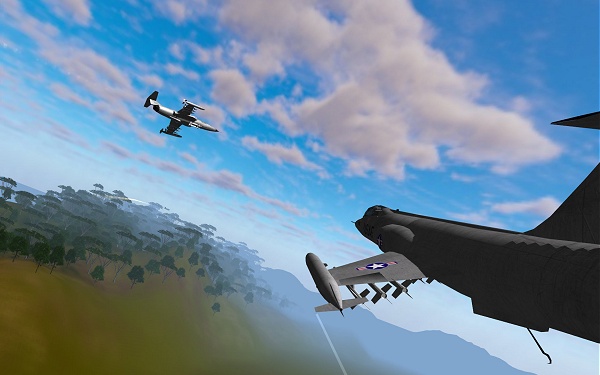
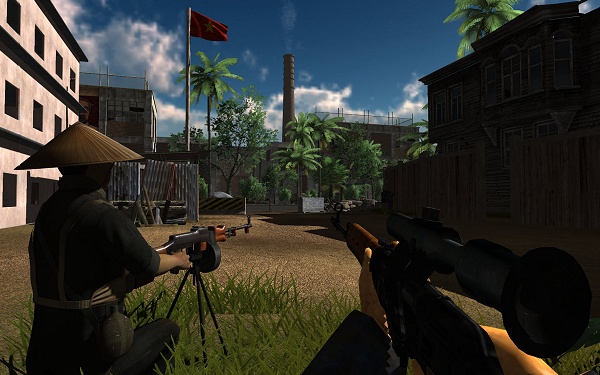
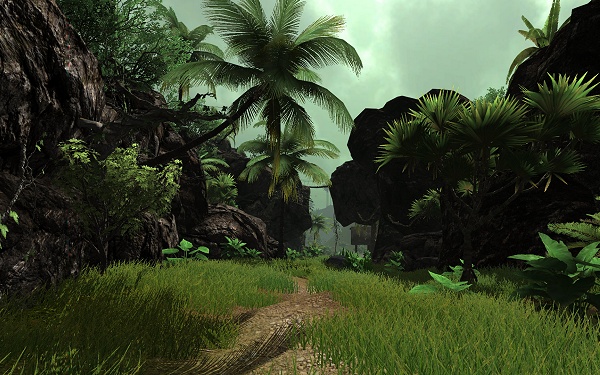
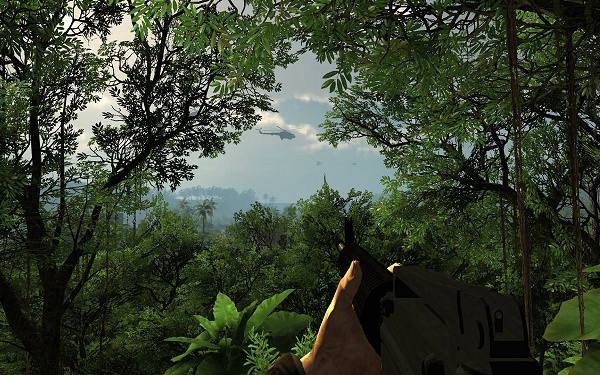
('First-Person-Shooter') about the Vietnam War. Get Eve of Destruction for your PC |
| Eve of
Destruction - Redux VIETNAM Windows 9,90 EUR buy and download on Steam free content: |
Eve of
Destruction - Redux VIETNAM Linux 9,90 EUR buy and download on Steam free content: |
Eve of
Destruction - Redux VIETNAM Mac 9,90 EUR buy and download on Steam free content: |
 |
 |
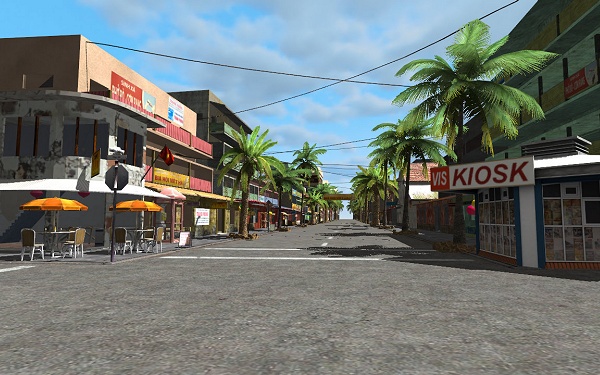 |
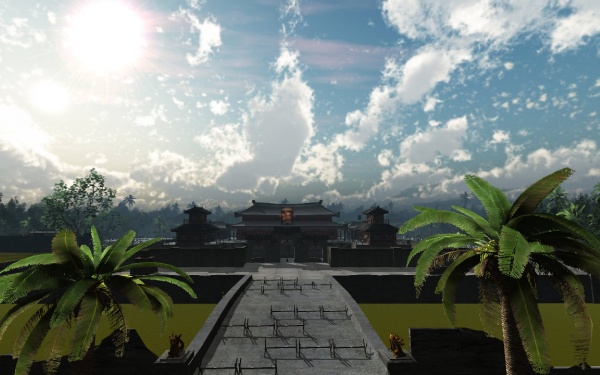
Ivanka Stefanovic 1976 - Zasto Se Mora Rastajat... -8 languages in game: 62 maps with different landscapes: 201 different usable vehicles: 68 different handweapons: Singleplayer with 13 different modes: Multiplayer for 2- 128 players |
 |
 |
 |
 |
 |
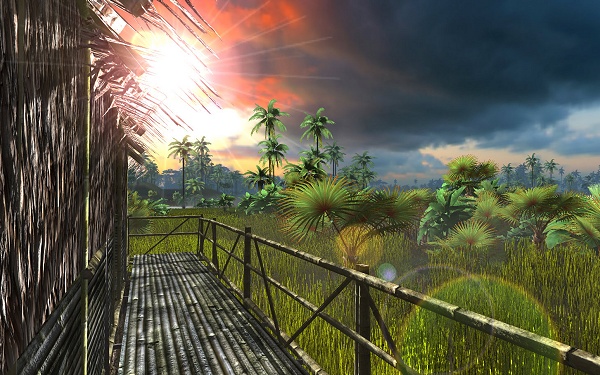 |
Ivanka Stefanovic 1976 - Zasto Se Mora Rastajat... -No other military conflict is comparable to those dramatic years of the 20th century. Most rumors spread about the Indochina and Vietnam War are not honest, even though it was the best documented war in history. No other military conflict was ever so controversial, pointing to an unloved fact: our enemy was not the only source of evil, the evil could be found within ourselves. 'Eve Of Destruction' is a tribute to the Australian, ARVN, U.S., NVA and 'Vietcong' soldiers who fought and died in Vietnam, and also to the Vietnamese people. The game originally has been a free modification for EA/Dice's Battlefield series and was published in 2002. 12 years after it's first release the game was completely rebuilt and received it's own engine based upon Unity 3D game engine and multiplayer on Photon Cloud. |
|
 |
 |
 |
Independent game development
is very time consuming. |
 |
 |
 |
'Eve Of Destruction' is also a song written
by P. F. Sloan.
Barry Mc Guire's version got number 1 in the US Top-Ten 1965.
Ivanka Stefanovic 1976 - Zasto Se Mora Rastajat... - |
Ultimately, "Zašto se mora rastajati" is more than just a melody; it is a historical snapshot of an era where music served as the primary vessel for communal emotional release, asking a question that remains as relevant today as it was in 1976. Ivanka Stefanovic - Zasto se mora rastajati
pesma iz 1976. godine muzika: Petar Tanasijević tekst: Mirjana Ilić i Radmila Todorović ansambl Branimira Đokića. YouTube·v2all Ivanka Stefanovic - Zasto se mora rastati - (Audio 1976) HD
Echoes of Melancholy: Ivanka Stefanović’s "Zašto se mora rastajati" Ivanka Stefanovic 1976 - Zasto se mora rastajat...
The title itself, a poignant question— Why must one part? —serves as the central thesis of the piece. Unlike many contemporary tracks that focused on celebration, this song delved into the universal human experience of loss and the sorrow of final goodbyes. Stefanović’s interpretation captured the quiet dignity of heartbreak, reflecting a society that valued the poetic expression of "sevdah" or deep longing.
This essay explores the cultural and emotional resonance of the 1976 song (Why Must One Part), performed by Ivanka Stefanović. Ultimately, "Zašto se mora rastajati" is more than
The track was a collaborative effort of some of the most influential figures in folk music at the time. It featured music composed by Petar Tanasijević and lyrics penned by Mirjana Ilić and Radmila Todorović . Published under the PGP RTS (then PGP RTB) label, the production quality and the technical skill of the ensemble provided a sophisticated backdrop to Stefanović's emotive vocal delivery.
The year 1976 in the Yugoslav music scene was marked by the release of a soul-stirring single that would become a staple of traditional folk melancholy: Ivanka Stefanović’s . Accompanied by the renowned Ansambl Branimira Đokića (and Baneta Đokića), the song is a profound meditation on the inevitability of separation, a theme deeply rooted in the "novokomponovana narodna muzika" (newly composed folk music) of that era. YouTube·v2all Ivanka Stefanovic - Zasto se mora rastati
While Ivanka Stefanović is often associated with traditional folk songs like "Lepo ti je biti čobanica" and "Mila majko šalji me na vodu," this 1976 release showcased her ability to handle more complex, original lyrical narratives. Today, the song remains a cherished artifact for collectors of Yugoslav vinyl and fans of authentic Balkan vocalists, preserved through digital archives on platforms like YouTube and documented by music databases such as Discogs .