Arsha Vidya Pitham, Saylorsburg, PA

700x1218 Molang Wallpaper. 2вќ¤вќ¤вќ¤. Molang, Wallpa... May 2026

Molang, the "eccentric, joyful, and enthusiastic rabbit" created by Korean illustrator Hye-Ji Yoon, has become a global icon of minimalist cuteness. The specific dimensions of indicate a portrait orientation tailored for mobile smartphones. In an era of high-stress environments and digital clutter, choosing a wallpaper featuring a round, white, expressionless bunny is more than a design choice—it is a pursuit of "soft" aesthetics. The presence of heart emojis ( ❤❤❤ ) further emphasizes the emotional connection users have with this character, signaling a desire for warmth and positivity every time they unlock their screens. The Role of "Kawaii" in Digital Spaces

"700x1218 Molang" is more than just a file size and a character name; it is a testament to how we use technology to surround ourselves with comfort. It highlights the enduring power of simple, character-driven art to bridge the gap between functional technology and emotional well-being. The presence of heart emojis ( ❤❤❤ )

Our phone wallpapers are among the most-viewed images in our daily lives. A wallpaper isn't just a background; it is a reflection of the user's current "vibe" or mood. The specific mention of "2❤❤❤" suggests a curated selection, perhaps part of a gallery where "Love" is the central theme. For the modern user, these wallpapers serve as a form of digital comfort food—quick, visual hits of dopamine that provide a brief respite from the complexities of the physical world. Conclusion Our phone wallpapers are among the most-viewed images

Molang belongs to the kawaii (cute) culture that originated in Japan and expanded through Korean "Aegyo" influences. Unlike complex art, Molang’s design is stripped down to the essentials: a simple silhouette and tiny facial features. This simplicity allows the user to project their own feelings onto the character. By setting a Molang wallpaper, a user creates a digital sanctuary. The screen becomes a small window into a world defined by kindness and friendship—values that Molang and his best friend Piu Piu represent. Customization as Identity the "kawaii" culture movement

The phrase might look like a string of metadata or a search query, but it represents a specific intersection of digital aesthetics, the "kawaii" culture movement, and the personal nature of our mobile devices. The Aesthetic of Simplicity
700x1218 Molang wallpaper. 2вќ¤вќ¤вќ¤. Molang, Wallpa...

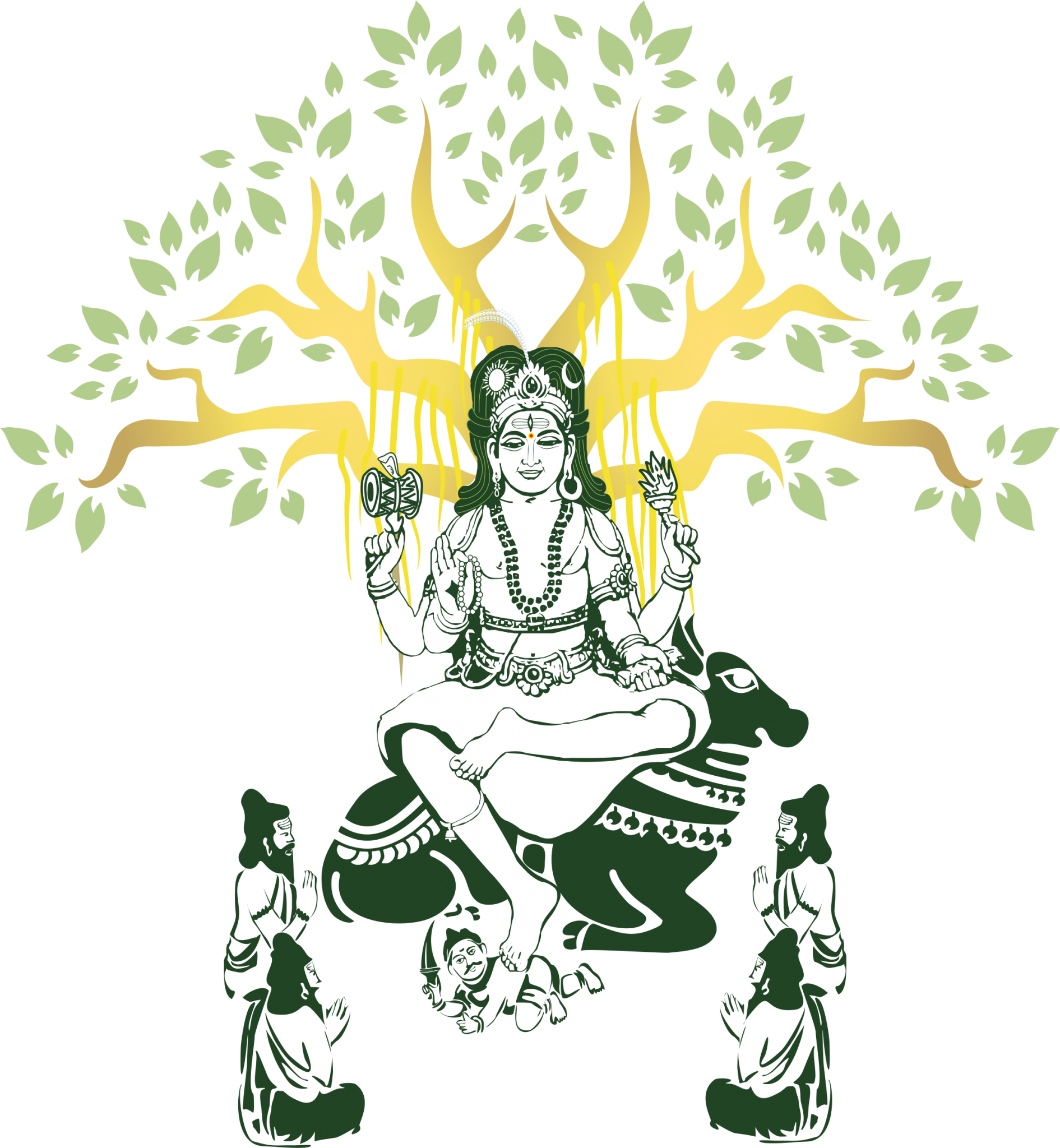
Lord Daksinamurti

Molang, the "eccentric, joyful, and enthusiastic rabbit" created by Korean illustrator Hye-Ji Yoon, has become a global icon of minimalist cuteness. The specific dimensions of indicate a portrait orientation tailored for mobile smartphones. In an era of high-stress environments and digital clutter, choosing a wallpaper featuring a round, white, expressionless bunny is more than a design choice—it is a pursuit of "soft" aesthetics. The presence of heart emojis ( ❤❤❤ ) further emphasizes the emotional connection users have with this character, signaling a desire for warmth and positivity every time they unlock their screens. The Role of "Kawaii" in Digital Spaces

"700x1218 Molang" is more than just a file size and a character name; it is a testament to how we use technology to surround ourselves with comfort. It highlights the enduring power of simple, character-driven art to bridge the gap between functional technology and emotional well-being.

Our phone wallpapers are among the most-viewed images in our daily lives. A wallpaper isn't just a background; it is a reflection of the user's current "vibe" or mood. The specific mention of "2❤❤❤" suggests a curated selection, perhaps part of a gallery where "Love" is the central theme. For the modern user, these wallpapers serve as a form of digital comfort food—quick, visual hits of dopamine that provide a brief respite from the complexities of the physical world. Conclusion

Molang belongs to the kawaii (cute) culture that originated in Japan and expanded through Korean "Aegyo" influences. Unlike complex art, Molang’s design is stripped down to the essentials: a simple silhouette and tiny facial features. This simplicity allows the user to project their own feelings onto the character. By setting a Molang wallpaper, a user creates a digital sanctuary. The screen becomes a small window into a world defined by kindness and friendship—values that Molang and his best friend Piu Piu represent. Customization as Identity

The phrase might look like a string of metadata or a search query, but it represents a specific intersection of digital aesthetics, the "kawaii" culture movement, and the personal nature of our mobile devices. The Aesthetic of Simplicity

700x1218 Molang wallpaper. 2вќ¤вќ¤вќ¤. Molang, Wallpa...

Arsha Vidya Gurukulam was founded in 1986 by Pujya Sri Swami Dayananda Saraswati. In Swamiji’s own words,

“When I accepted the request of many people I know to start a gurukulam, I had a vision of how it should be. I visualized the gurukulam as a place where spiritual seekers can reside and learn through Vedanta courses. . . And I wanted the gurukulam to offer educational programs for children in values, attitudes, and forms of prayer and worship. When I look back now, I see all these aspects of my vision taking shape or already accomplished. With the facility now fully functional, . . . I envision its further unfoldment to serve more and more people.”

Ārṣa (arsha) means belonging to the ṛṣis or seers; vidyā means knowledge. Guru means teacher and kulam is a family.  In traditional Indian studies, even today, a student resides in the home of this teacher for the period of study. Thus, gurukulam has come to mean a place of learning. Arsha Vidya Gurukulam is a place of learning the knowledge of the ṛṣis.

The traditional study of Vedanta and auxiliary disciplines are offered at the Gurukulam. Vedanta mean end (anta) of the Veda, the sourcebook for spiritual knowledge.  Though preserved in the Veda, this wisdom is relevant to people in all cultures, at all times. The vision that Vedanta unfolds is that the reality of the self, the world, and God is one non-dual consciousness that both transcends and is the essence of everything. Knowing this, one is free from all struggle based on a sense of inadequacy.

The vision and method of its unfoldment has been carefully preserved through the ages, so that what is taught today at the Gurukulam is identical to what was revealed by the ṛṣis in the Vedas.